
Back to Blog

Learn More: Weight Loss Treatments

Starseed has made Weight Loss options more accessible than ever! Through our new virtual non-cannabis pharmacy program, patients now have access to modern GLP-1 prescription-based weight loss options that can help address the biological factors influencing your weight.  Complete an assessment today to find out which prescription-based option fits your treatment plan.

Before starting a Weight Loss assessment, please note the following:

• Weight Loss prescriptions are currently only available to patients in Ontario.
• Ensure you have your valid Ontario Health Card on hand.
• During the assessment, you may be prompted to provide photographs for clinical purposes to determine eligibility.

Active Starseed Patients: Apply Here

New Starseed Patients: Register Here


Weight Loss Options
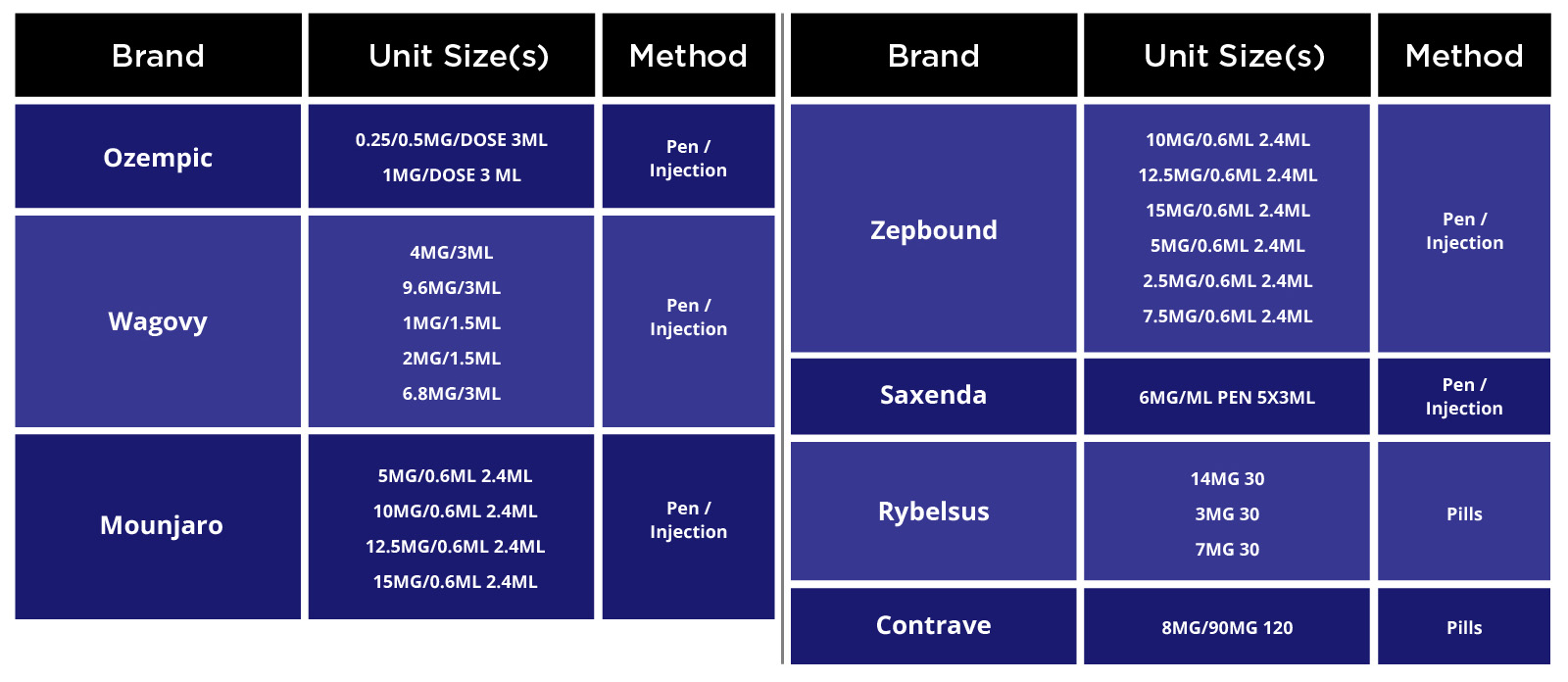
There are a variety of product options and methods to support weight loss, but it’s important to complete a health assessment and speak with a healthcare professional first. Adults dealing with challenges related to elevated weight benefit most from personalized treatment plans that address the underlying causes.

No shame, no judgment, and no uncomfortable conversations. Our online assessment is designed to guide your weight-loss journey and help you choose a solution that truly supports your goals.


How to Apply:

Science Leads the Way: Weight loss is filled with myths, but the science is clear: up to 70% of weight is shaped by biological factors like genetics.

Through our online assessment, our clinicians are able to evaluate your unique individual needs and recommend a personalized plan to help you reach your goals.
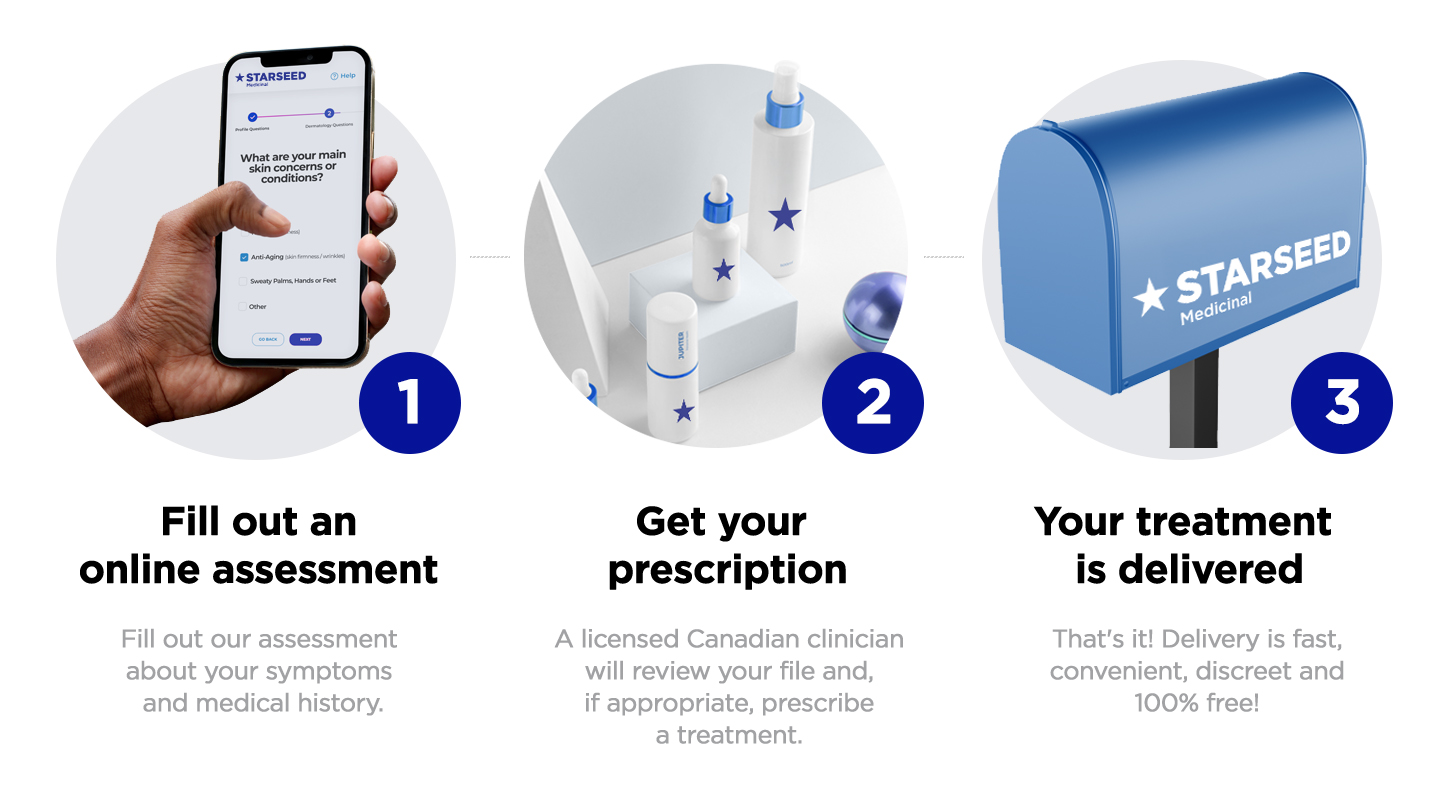
We believe access to medication should be simple, streamlined and private. That’s why our new prescription medications are accessible through an “asynchronous appointment” – meaning your application is completed through a quick online intake form (example below) – on your own time, at your own pace, without having to schedule an appointment.


Active Starseed Patients: Apply Here

New Starseed Patients: Register Here


Previous Article
The Hidden Crisis in Construction: Opioids
A recent investigation by The Globe and Mail reveals the staggering toll opioids have taken on Canada’s construction workforce, its workers, and the Canadian economy at large. Below is a breakdown of the findings within the article: Construction Workers Are at the Epicenter of the Opioid Crisis Although opioid misuse affects all communities, it has hit one sector harder than any other: construction. According to the Globe and Mail article: • Men account for three-quarters of all opioid deaths in Canada. Construction remains a male-dominated field, making workers disproportionately vulnerable. • In Ontario, one-third of employed people who died of opioid toxicity worked in construction. Similar patterns appear across the country, including B.C., where nearly half of employed overdose victims worked in the trades. Construction is physically demanding and often injury prone. This environment has contributed to widespread reliance on prescription painkillers and, tragically, illicit opioids like fentanyl. The Economic Impact: More Than $60 Billion Lost The crisis isn’t only a human tragedy - it’s an economic one. • Canada has lost more than $60 billion in productivity since 2007 due to opioid-related premature deaths. This includes wages that would have been earned if victims had lived full working lives. • Construction is already facing major labour shortages, and the opioid epidemic is accelerating that loss. As Canada ramps up housing and infrastructure development, the strain on skilled trades will only grow. Why Construction Workers Are at Higher Risk The Globe and Mail highlights several factors that explain why opioid deaths are so concentrated in construction: 1. High rates of injury and chronic pain: Years of heavy lifting, repetitive strain, and physically taxing labour lead workers to seek pain relief. When opioids are prescribed—sometimes too readily—they can become addictive. 2. Toxic illicit fentanyl: Even a single exposure to fentanyl-laced street drugs can be fatal. Many workers using drugs to self-medicate chronic pain don't know their supply is contaminated. 3. “Don’t show weakness” culture: Many workers have a desire to work through pain and maintain on-site job presence even with they are hurt or shouldn't. Where Medical Cannabis Fits In Research and patient experience suggest cannabis can play a meaningful role in: • Managing chronic musculoskeletal pain • Supporting sleep and recovery • Reducing reliance on addictive opioids • Improving quality of life without the same overdose risk For construction workers who face pain daily, cannabis may offer a safer alternative when recommended by a healthcare professional. A Message to the Community: You’re Not Alone If you are struggling with pain, stress, or substance use, there is no shame in asking for help. As the Globe and Mail article emphasizes, many workers who died from opioids were employed, capable, talented, and deeply valued by their families and coworkers. Reaching out is a sign of strength - not weakness. Source: All data, quotes, and findings summarized in this blog article originate from: Jason Kirby, “How opioid deaths are hollowing out the construction industry,” The Globe and Mail, Nov. 21, 2025.
Next Article
Cannabis as Treatment for Lower Back Pain
Chronic lower back pain affects millions of people worldwide and remains one of the most common causes of disability, yet safe and effective treatments are still limited. A recent Wall Street Journal article highlights promising new research showing that cannabis, particularly THC-based extracts, may offer meaningful relief for people living with this condition. View the Research & Study Quick Study Highlights • Clinical evidence supports cannabis for chronic lower back pain: Large Phase 3 trials found that THC-based cannabis extracts significantly reduced pain, improved sleep, and enhanced physical function compared to placebo. • Cannabis performed similarly to opioids with fewer side effects: In comparative studies, cannabis provided pain relief on par with opioid medications while avoiding common opioid-related issues like constipation and dependence. • A promising, safer alternative for long-term pain management: Researchers and clinicians suggest medical cannabis may help patients manage chronic back pain and potentially reduce reliance on opioids, especially when used responsibly under medical guidance. Full Study Summary Two large, Phase 3 clinical trials investigated a standardized cannabis extract containing THC along with other cannabinoids and found that it reduced pain more effectively than a placebo. In one study with more than 800 participants, those taking the cannabis extract reported significant decreases in pain levels after 12 weeks - as well as improvements in sleep quality and physical function. Notably, these benefits continued for up to a year, and patients did not experience withdrawal symptoms after stopping the treatment. A second trial compared the cannabis extract with opioid pain medications. The findings showed that cannabis was at least as effective, while producing fewer side effects such as constipation, which are common with opioids. Experts quoted in the article suggest that these results may make healthcare providers more comfortable recommending medical cannabis off-label for chronic back pain and encourage individuals to explore cannabis products legally available in their regions - starting with low THC doses and gradual increases to find what works best.

Loading